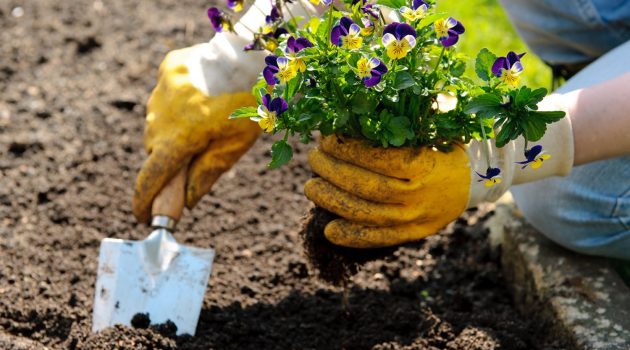
Sustainable gardening is all about creating a healthy, eco-friendly garden that works in harmony with nature.
With environmental concerns, such as climate change and resource depletion, becoming increasingly important, many people are turning to sustainable gardening practices to reduce their environmental impact and promote a greener lifestyle.
If you’re interested in starting your own sustainable garden, you’ve come to the right place.
Check out this comprehensive guide to sustainable gardening, including tips, ideas, and even information on how raising chickens and considering solar power for your home can help your sustainable gardening goals.
Let’s get started!
1. Start Composting: Turn Waste into Garden Gold
Composting is a cornerstone of sustainable gardening.
By creating a compost pile or bin, you can recycle organic waste from your kitchen and garden, reducing the amount of waste sent to landfills.
Composting helps the environment and provides nutrient-rich compost that improves your soil’s quality and fertility.
To start composting, collect fruit and vegetable scraps, coffee grounds, eggshells, grass clippings, and leaves in a designated compost bin or pile.
Avoid adding fish, meat, dairy, bones, or oily products, as they can attract pests and create unpleasant odors.
2. Conserve Water: Make Every Drop Count
Water is precious, and sustainable gardeners focus on using water efficiently. To conserve water in your garden, consider collecting rainwater in barrels or buckets and using it to water your plants.
Do check with your local laws if there are any restrictions on collecting rainwater in your state. Water your garden early in the morning or late in the evening to minimize evaporation.
For more efficient watering, consider installing a drip irrigation system or using soaker hoses. Mulching around your plants can also help retain moisture and reduce water usage.
3. Plant Native Species: Embrace Your Local Flora
One of the best ways to create a sustainable garden is by planting native species.
These plants have adapted to your local climate and soil conditions, meaning they require less water, pesticides, and fertilizers than non-native plants.
Native plants also provide essential habitats for local wildlife and support pollinators, such as bees and butterflies.
Research native plants in your area and incorporate them into your garden design.
4. Go Organic: Ditch Synthetic Fertilizers and Pesticides
Sustainable gardening means avoiding synthetic fertilizers and pesticides, which can harm the environment, beneficial insects, and your health.
Instead, use organic fertilizers, such as compost, worm castings, or aged manure, to provide nutrients for your plants.
For pest control, opt for natural methods, such as introducing beneficial insects, using insecticidal soaps, or applying homemade remedies like garlic or hot pepper sprays.
5. Maximize Space: Give Your Plants Room to Grow
Proper plant spacing is essential for a healthy, sustainable garden.
Space your plants according to their mature size to ensure they have enough room to grow and thrive.
This helps reduce the need for frequent pruning and promotes healthier plants that are less susceptible to pests and diseases.
6. Add Mulch: A Sustainable Gardener’s Best Friend
Mulching is a simple yet effective way to improve your garden’s sustainability.
Apply a layer of organic mulch, such as shredded leaves, straw, grass clippings, or wood chips, around your plants.
Mulch helps retain moisture, suppress weeds, moderate soil temperature, and improve soil structure, reducing the need for additional water and maintenance.
7. Practice Crop Rotation: Keep Your Garden Healthy and Productive
In vegetable gardens, practicing crop rotation can help prevent the buildup of pests and diseases and maintain soil fertility.
By changing the planting location of specific crops each year, you can reduce the likelihood of recurring problems and promote a healthier, more productive garden.
8. Welcome Beneficial Insects and Pollinators: Create a Garden Oasis
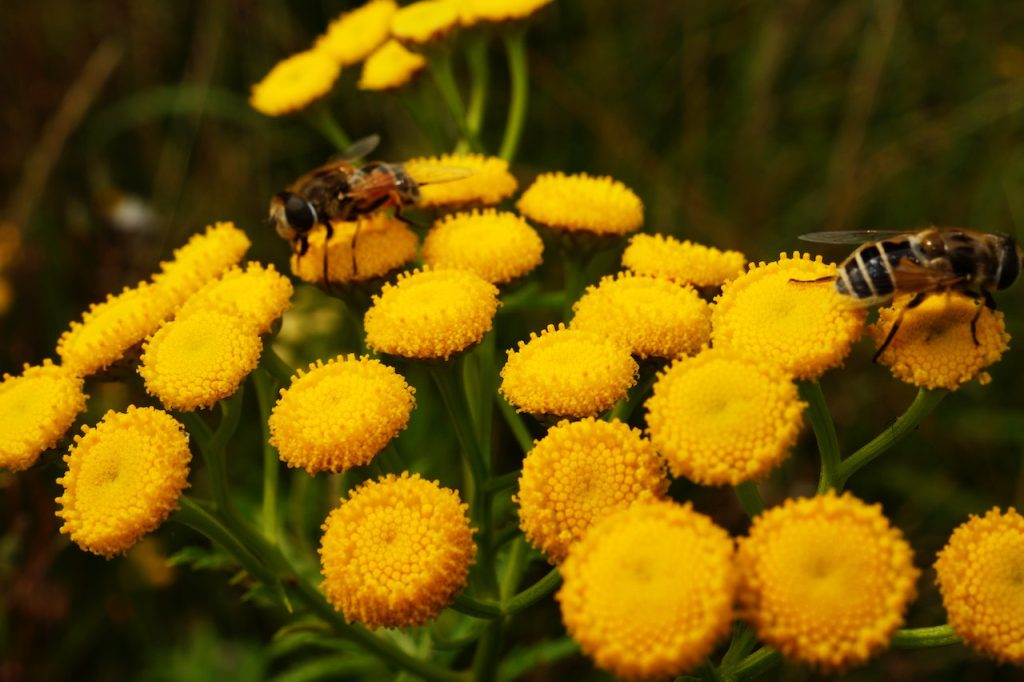
Attracting beneficial insects and pollinators is a key aspect of sustainable gardening.
Plant a variety of flowers, herbs, and other plants that attract helpful insects like ladybugs, lacewings, and bees.
These insects can help control pests and promote pollination, leading to a healthier and more productive garden.
9. Reduce, Reuse, Recycle: Sustainable Materials for Your Garden
Incorporate reclaimed or recycled materials into your garden projects, such as raised beds, trellises, or containers.
Repurposing materials not only saves money but also reduces waste and the environmental impact of producing new materials.
10. Try Companion Planting: A Match Made in Garden Heaven
Some plants can benefit one another when grown together, enhancing growth, deterring pests, or improving the soil.
Research companion planting techniques and incorporate them into your garden design to create a more harmonious and sustainable garden.
11. Go Solar: Light Up Your Garden and Home
Consider using solar-powered garden lights, water features, or irrigation systems to reduce your garden’s energy consumption and environmental impact.
Additionally, think about installing solar panels on your home to generate clean, renewable energy, further reducing your carbon footprint and potentially saving on energy bills.
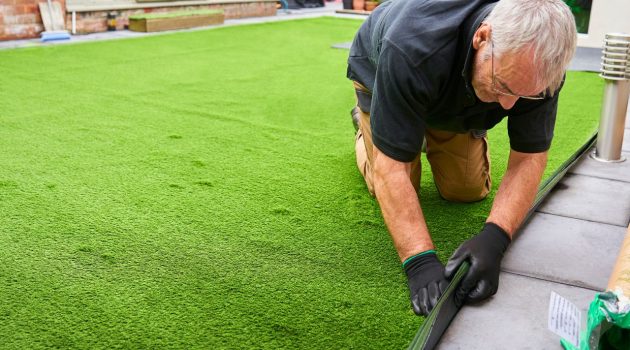
12. Minimize Lawn Space: Rethink the Traditional Lawn
Expansive lawns can consume large amounts of water, fertilizers, and pesticides and require regular mowing, which can be resource-intensive.
To create a more sustainable garden, consider minimizing your lawn space by replacing some of it with native plants, vegetable gardens, or low-maintenance ground covers.
Not only will this reduce the need for watering and maintenance, but it also provides additional habitat for local wildlife and pollinators.
13. Practice No-Dig Gardening: Protect Your Soil’s Ecosystem
No-dig gardening is a sustainable gardening method that involves minimal disturbance to the soil, allowing the soil’s natural ecosystem to thrive.
By avoiding tilling and digging, you protect the structure of the soil and the beneficial microorganisms that contribute to soil fertility.
To practice no-dig gardening, simply add layers of organic matter, such as compost or mulch, on top of the soil, allowing nutrients to seep down and improve the soil’s quality over time.
14. Use Permaculture Principles: Design a Self-Sustaining Garden
Permaculture is an approach to gardening that focuses on creating self-sustaining systems that work in harmony with nature.
By incorporating permaculture principles into your garden design, you can create a more sustainable and eco-friendly space.
Some key permaculture principles include observing and mimicking natural ecosystems, using renewable resources, and designing your garden to be productive and diverse.
For example, plant fruit trees, perennial vegetables, and herbs together to create a food forest that mimics natural ecosystems and provides abundant harvests year after year.
15. Choose Drought-Tolerant Plants: Conserve Water and Thrive
Selecting drought-tolerant plants is another effective way to create a sustainable garden, especially in areas prone to water scarcity.
Drought-tolerant plants require less water to thrive, reducing the need for supplemental irrigation and conserving valuable water resources.
Some examples of drought-tolerant plants include succulents, lavender, sage, and many native grasses.
Be sure to research plants that are best suited to your local climate and soil conditions.
16. Raising Chickens for a Sustainable Garden
Incorporating a flock of chickens into your sustainable garden can offer numerous benefits. Chickens can help control pests by eating insects, slugs, and snails.
They also produce manure, which can be composted and used as a natural fertilizer. Plus, they provide fresh, organic eggs for your family.
Before starting a backyard chicken flock, research local regulations and choose appropriate breeds for your climate and space.
Additionally, make sure to build a proper shelter with durable fencing and netting to protect your feathered friends.
Conclusion
Creating a sustainable garden is a rewarding and environmentally friendly endeavor.
By following these 16 tips and ideas, from composting to raising chickens at home, you can cultivate a thriving, eco-friendly garden that benefits both your family and the planet.
Start planning your sustainable garden today, and enjoy the many rewards of gardening in harmony with nature.