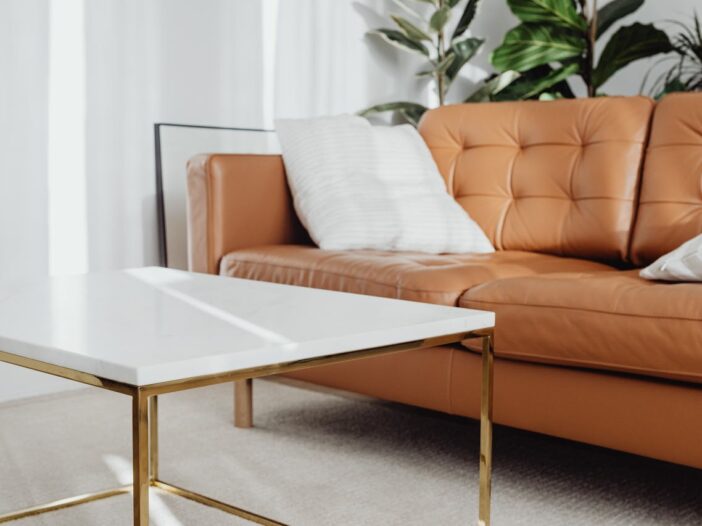
If you have scrolled through Instagram lately, you have likely been assaulted by the Organic Modern trend. It promises a harmonious blend of mid-century modern lines and natural textures. It whispers of sustainability and “slow living.” But if you look closer, it screams something else entirely: a fear of commitment to anything bold.
This aesthetic is characterized by a relentless dedication to neutral tones—cream, oatmeal, sand, and the occasional daring shade of “dried wheat.” It creates spaces that are undeniably beautiful, calming, and photogenic. They are also spaces where a spilled glass of red wine is not just an accident; it is a moral failing. The inhabitants of these rooms do not watch football; they watch dust motes dance in shafts of filtered sunlight while listening to acoustic covers of pop songs.
Here are 10 examples of organic modern interiors that prove you don’t need a personality if you have enough texture.
1. Fifty Shades of Oatmeal
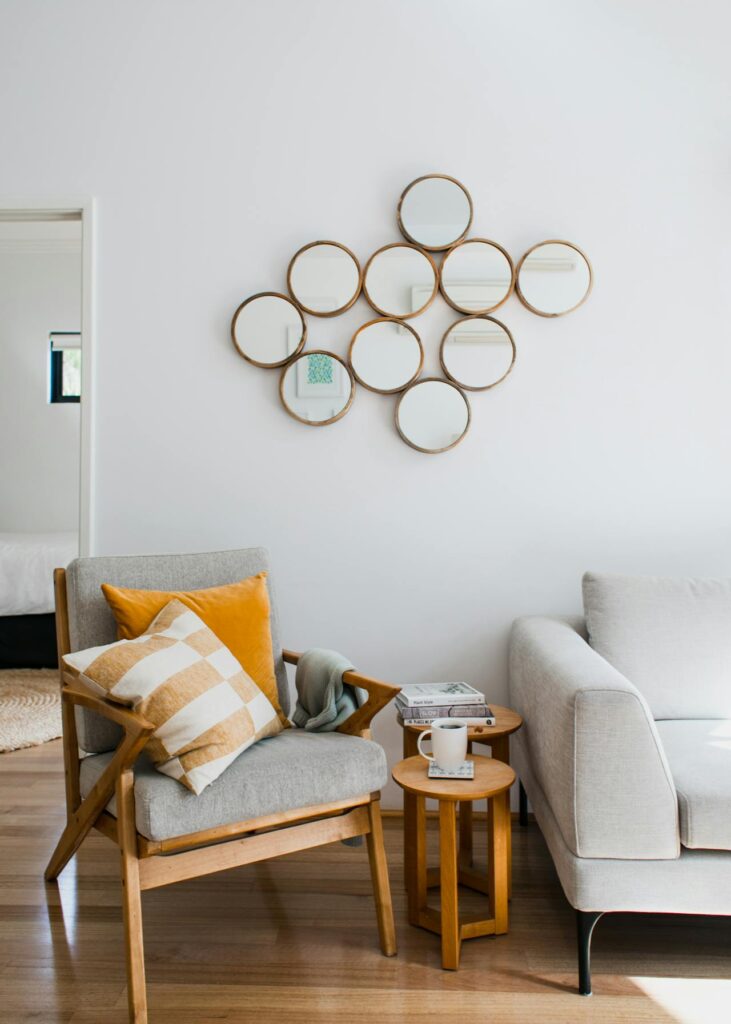
Welcome to the ultimate organic modern living room, where the color spectrum has been reduced to two options: light beige and slightly darker beige. The harmony here is oppressive. The sofa matches the wall, which matches the curtains, which matches the vague sense of ennui filling the air.
It is designed to be “soothing,” but it ends up feeling like being trapped inside a giant latte. The low-slung furniture invites you to sink in and disappear completely, merging your physical form with the upholstery until you become just another textured throw pillow. It is safe, it is clean, and it is aggressively boring.
2. The Curated Jungle
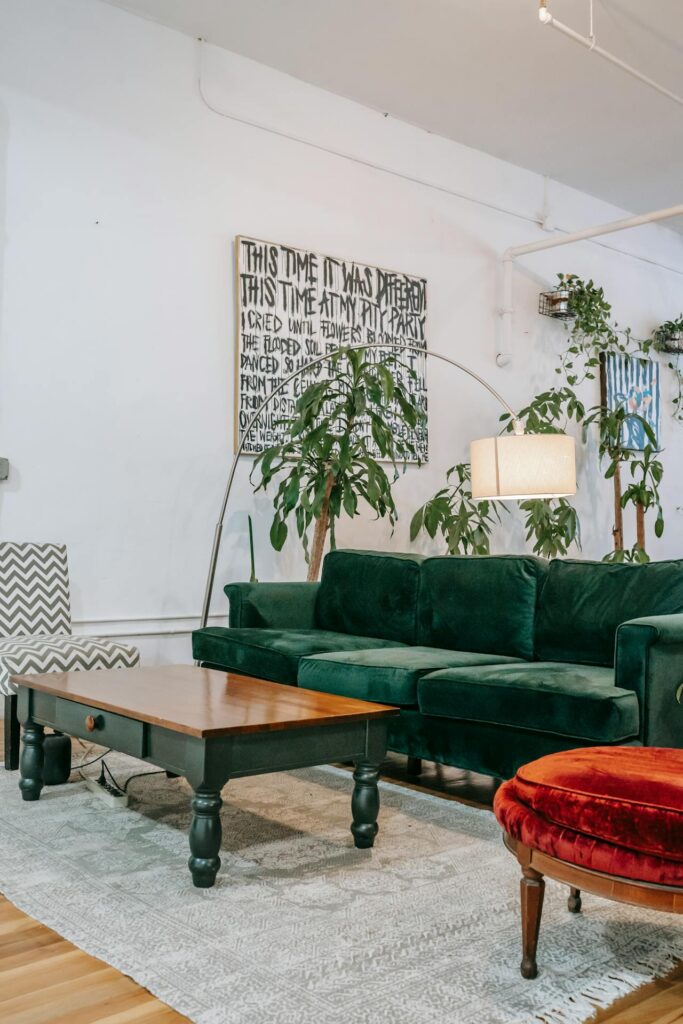
In the organic modern rulebook, nature is welcome, provided it is strictly controlled. Here, the plants are placed with military precision to break up the monotony of the white walls. They offer the illusion of a “wild” and “bohemian” spirit, but don’t be fooled.
These plants are more groomed than a show poodle. The furniture is sparse, ensuring that the focus remains on the “airiness” of the room. It is a space that says, “I love nature, as long as it doesn’t bring in any dirt, bugs, or unpredictability.” Sit on that sofa, drink your green juice, and pretend you are in a forest, not a high-rise apartment with thin walls.
3. The Earth-Tone Abyss
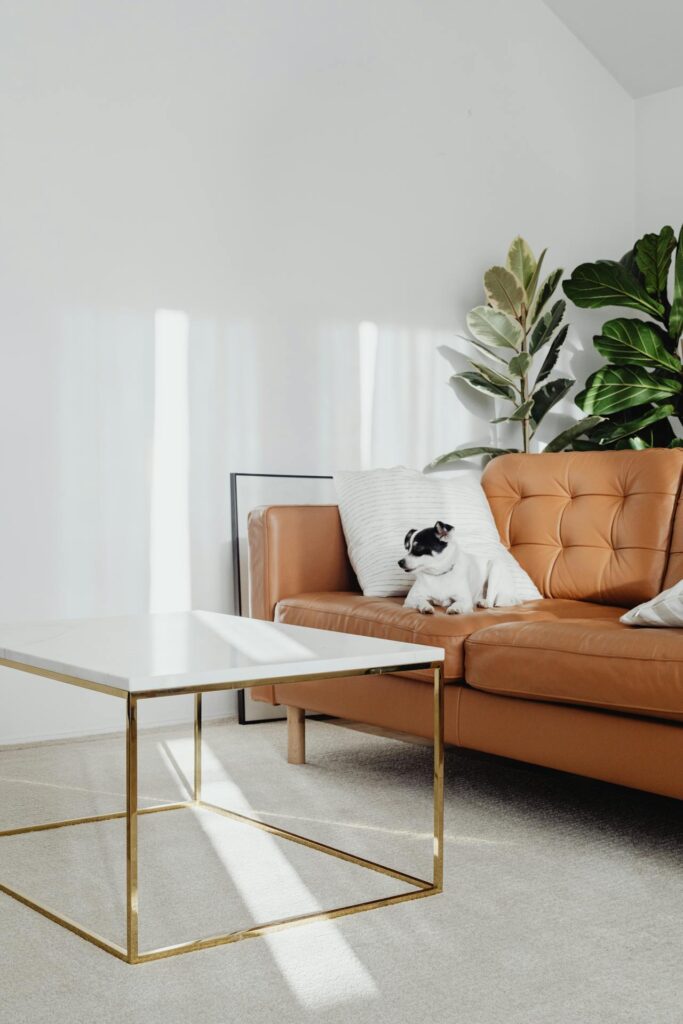
The choice of a brown sofa in an organic modern living room is a strategic surrender. Unlike the anxiety-inducing white couch, this brown velvet expanse accepts its fate: it is the color of dirt, of damp earth, and of giving up on excitement. The dog sits upon it, gazing longingly at the outside world, perhaps realizing that he blends into the furniture a little too well—a camouflage for the domesticated beast.
The single pristine white pillow is not merely a decoration; it is a ticking time bomb. It sits there, mocking the muddy paws and the inevitability of life’s messes. It is the one beacon of purity in a sea of brown, destined to be ruined, representing the fragile nature of hope in a beige world.
4. Sad Beige Children
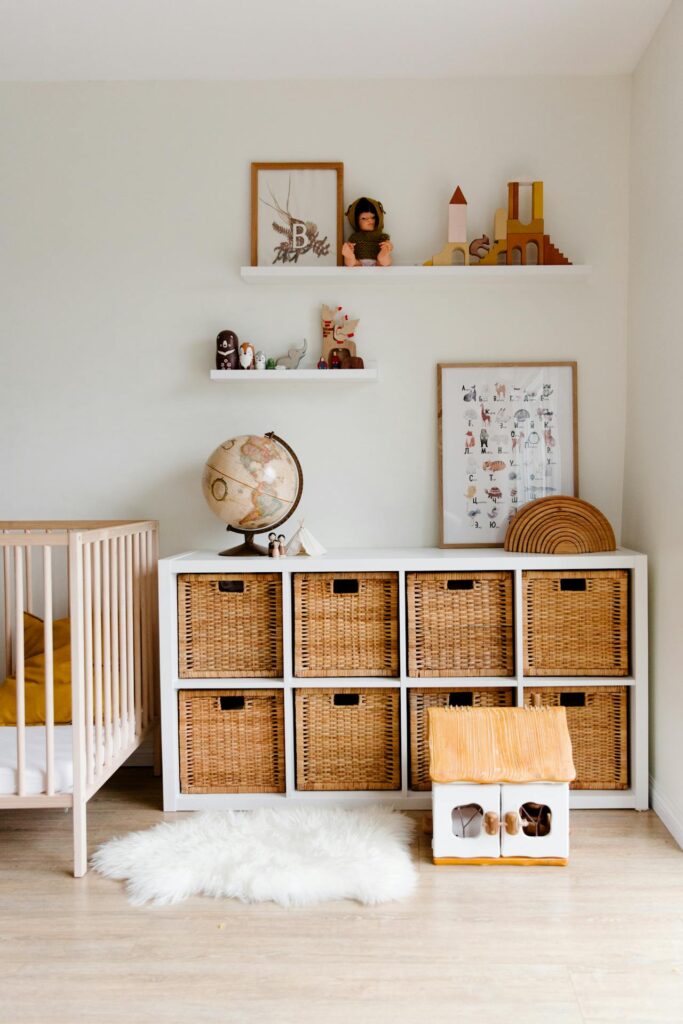
Even the children cannot escape the beige aesthetic. This nursery or kids’ room has been stripped of the primary colors that usually stimulate a developing brain. Instead, we have tasteful wood tones and muted earth colors. The toys are wooden and educational; there is not a plastic superhero or a neon sticker in sight.
It is a room designed for a miniature adult, a child who discusses the stock market over chamomile tea rather than watching cartoons. While aesthetically pleasing for the parents’ Instagram feed, one wonders if the child dreams in sepia tones. It is stylish, organized, and tragically devoid of the chaos that makes childhood fun.
5. The Solitary Confinement Corner
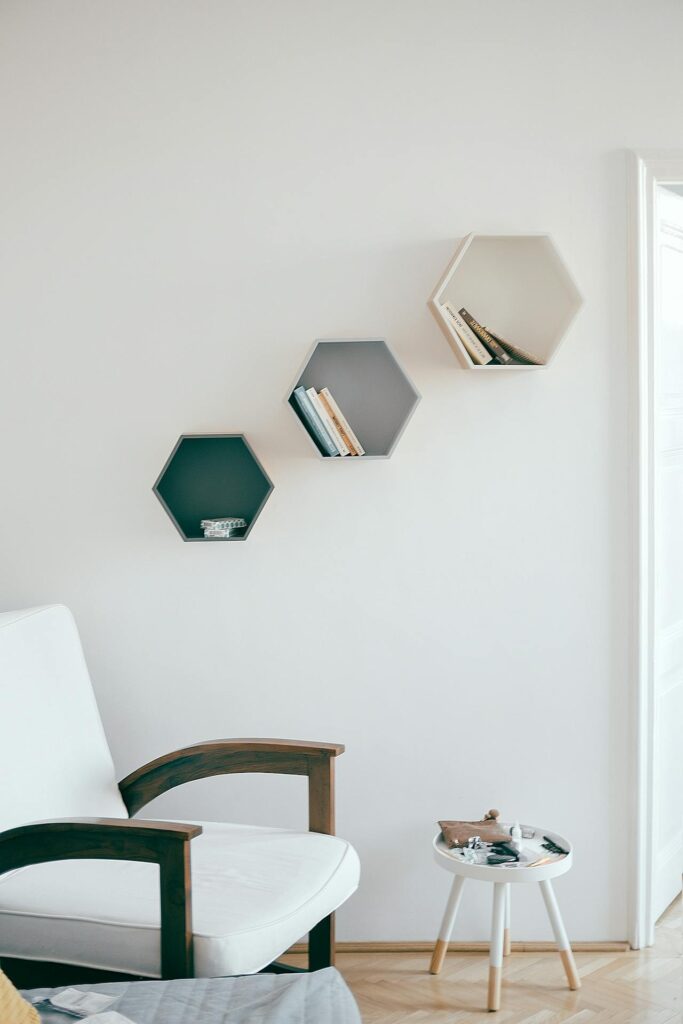
Every organic modern home needs a designated spot for staring at a wall. This armchair offers just that. The setup is sparse: one chair, one tiny table, and a vast expanse of emptiness. It is not a place for reading (the light is insufficient) or for chatting (there is no other chair).
It is a station for waiting. Waiting for inspiration, waiting for a text back, or waiting for the heat death of the universe. The white cushion on the wooden frame offers a semblance of comfort, but the isolation of the piece suggests that this is a timeout corner for adults who have bought too many decorative vases.
6. The Floor is Lava (and Expensive)
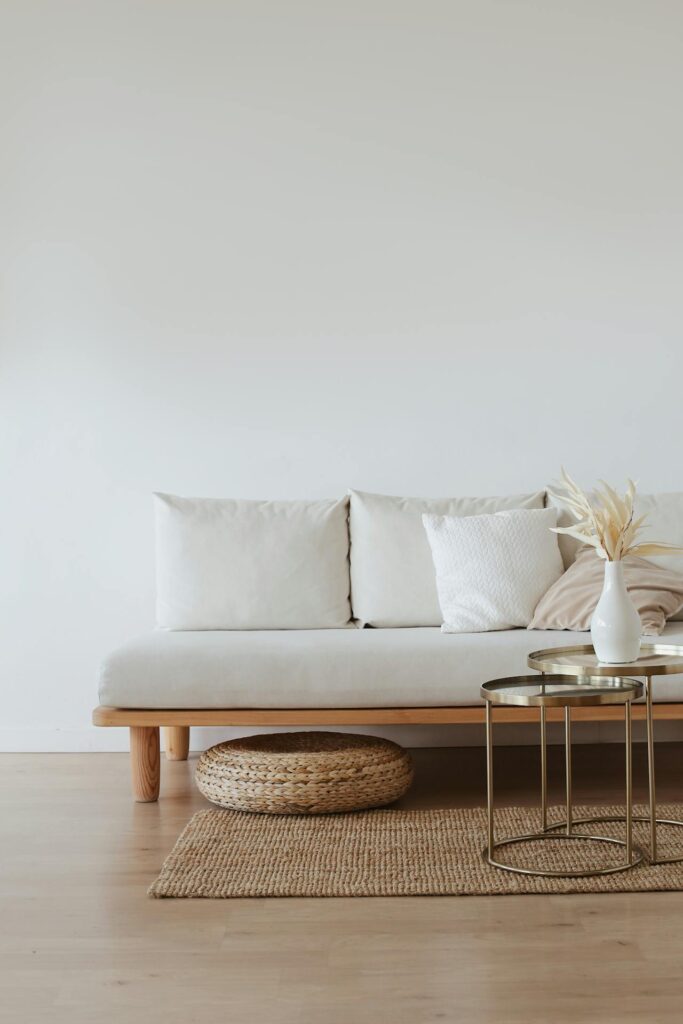
Here we see the obsession with negative space taken to an extreme. The white couch floats on a sea of polished wooden flooring, untethered by a rug or a coffee table. It feels temporary, as if the movers just dropped the sofa and left.
This layout maximizes the feeling of spaciousness, but it also maximizes the feeling that you are living in an art gallery rather than a home. Where do you put your drink? On the floor. Where do you put your feet? On the floor. It forces a kind of monastic living where you are not allowed to have convenient surfaces, lest they encourage the accumulation of “stuff.”
7. Camouflage for Introverts
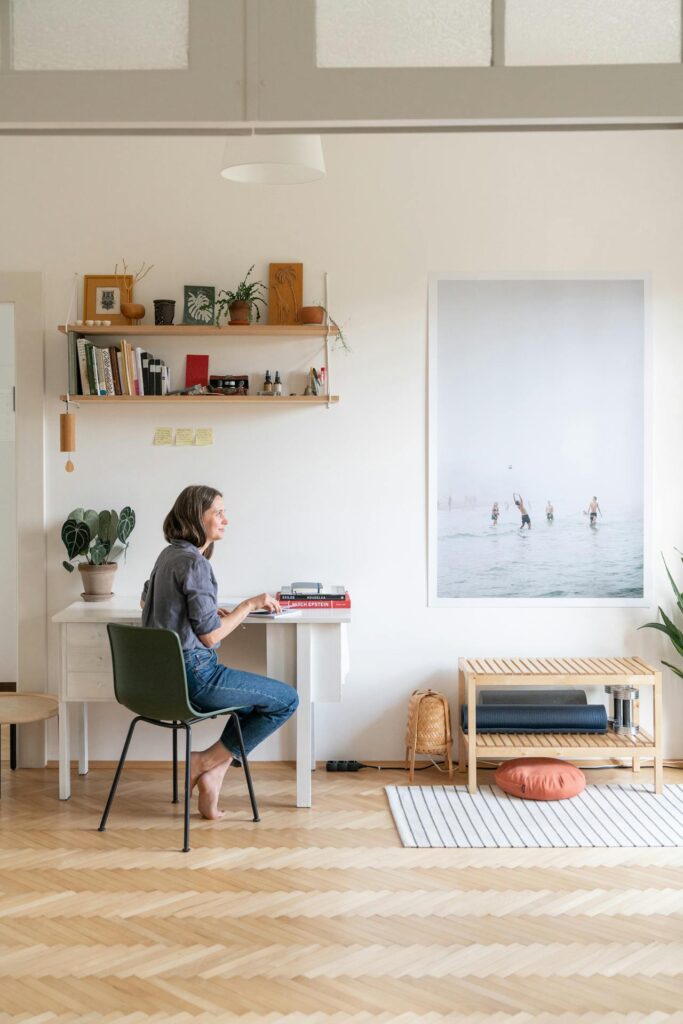
In this modern workspace, the human subject perfectly blends into her surroundings. Her neutral clothing matches the neutral walls, which match the neutral desk. It is the ultimate camouflage for the corporate introvert. If you stay very still, your boss might not see you on the Zoom call; they will just see a floating head amidst a sea of beige.
The design is undeniably clean and distraction-free, promoting focus. However, it also strips away individuality. The room doesn’t say “Sarah works here”; it says “A Human Unit produces labor here.” It is efficient, elegant, and slightly dystopian.
8. The Shrine to Nothingness
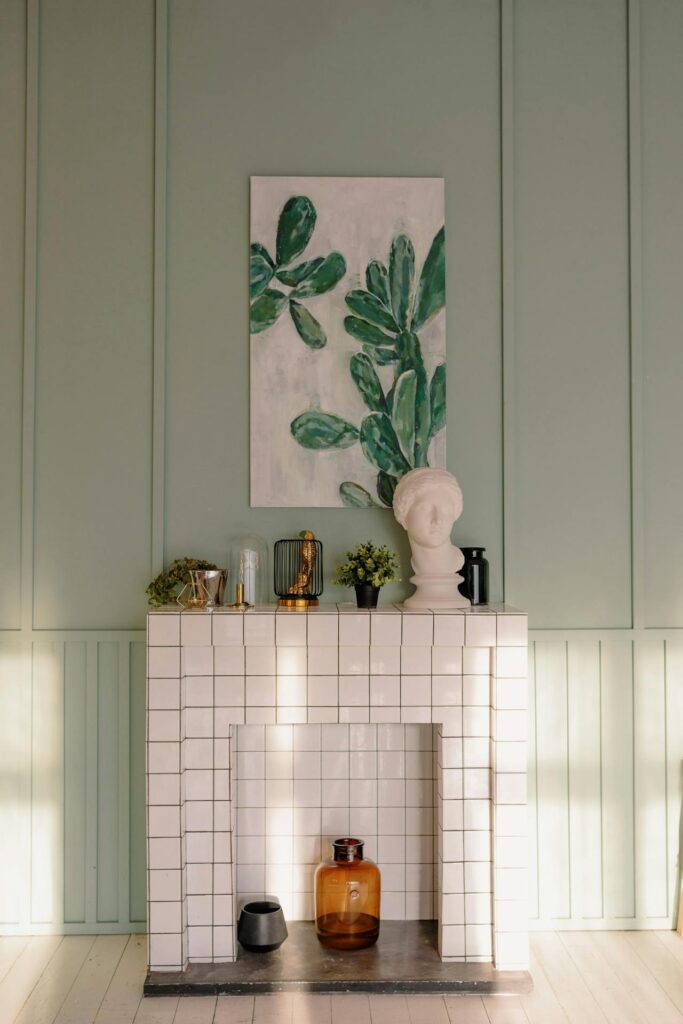
Nothing defines luxury minimalism quite like a built-in architectural niche designed to hold three specific objects. This tiled recess is a shrine to curated uselessness. We have a vase with no flowers, a jug with no water, and a bowl with no fruit.
They are there purely for “visual interest,” occupying space without contributing function. It is a masterclass in styling—shapes and textures interacting in a void. It is beautiful to look at, but it begs the question: in a house this curated, are you allowed to put your car keys down anywhere, or would that ruin the composition?
9. The Coldest Fire
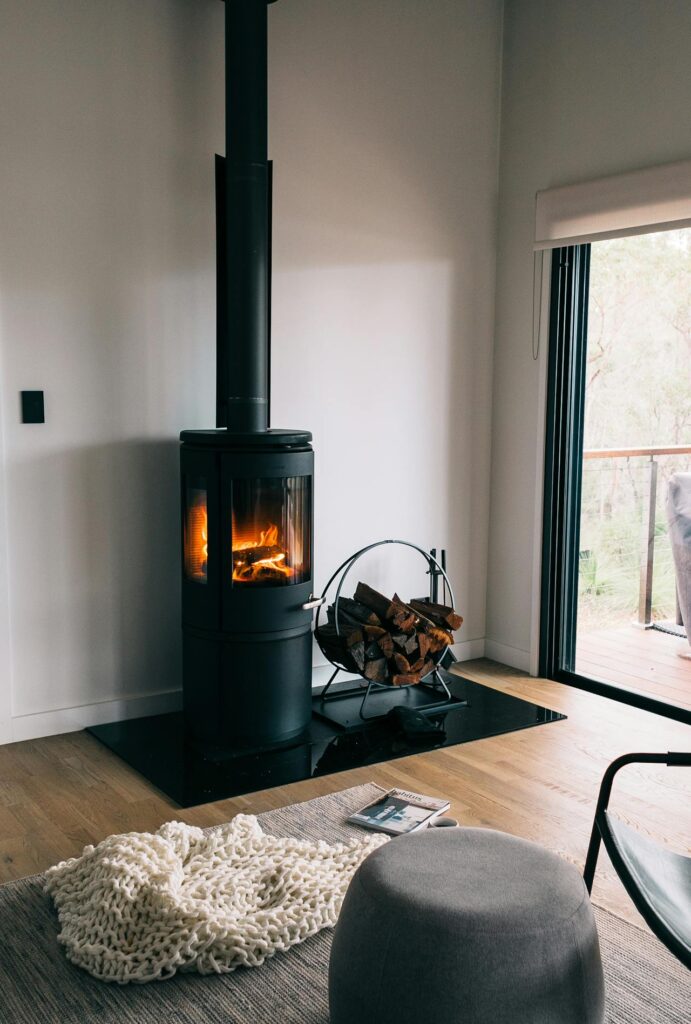
A fireplace is traditionally the warm heart of a home, a place of crackling chaotic energy. But in the organic modern living room, even the fire must be tamed. This minimalist fireplace is sleek, clean, and clinical. Framed by pale wood and white walls, it looks more like a high-tech incinerator for unwanted documents than a cozy hearth.
The firewood is stacked so artistically that one would feel guilty burning it. It is warmth reimagined as a visual concept rather than a physical sensation. You can sit near it and feel the “idea” of heat, while remaining emotionally chilly.
10. Abstract Confusion
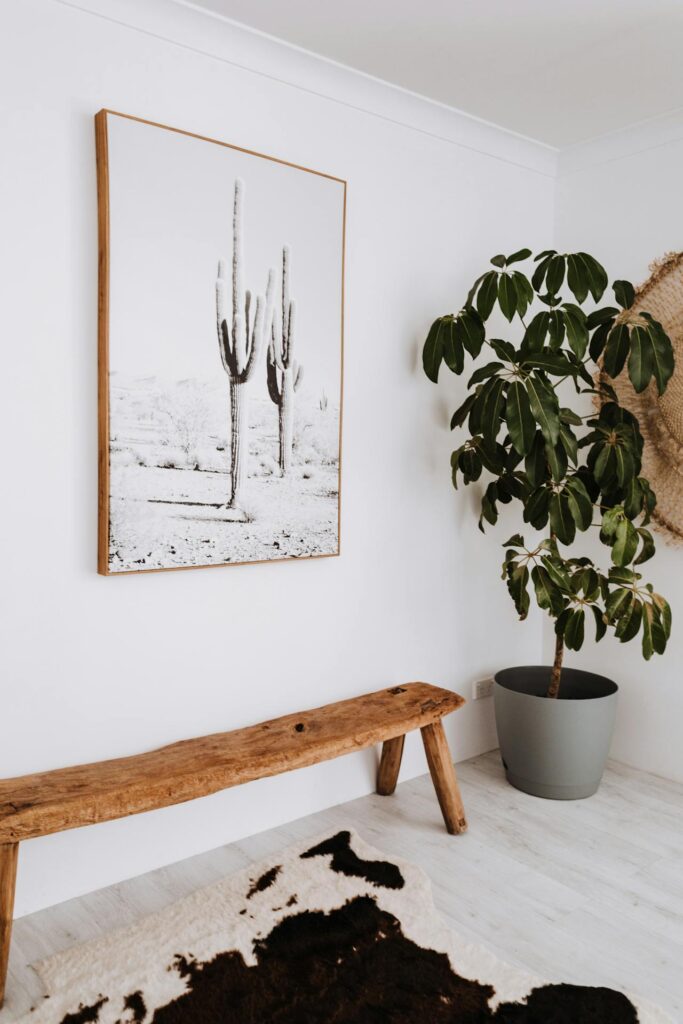
Finally, we have the obligatory oversized abstract art. In a room devoid of personal clutter, the art must do the heavy lifting of pretending the owner has a complex inner life. The painting is black and white, naturally, because color is illegal here.
Accompanied by a lone plant and a chair that faces away from the center of the room, the vibe is one of waiting room chic. It is the perfect backdrop for a video call, signaling sophistication and wealth, while revealing absolutely nothing about who you actually are. It is the perfect crime scene for the death of personality.
Conclusion
The organic modern aesthetic is a triumph of texture over reality. It offers a soothing, beige cocoon that protects you from the vibrant, messy, loud world outside. It is undoubtedly beautiful. But as you sit on your oatmeal-colored sofa, staring at your oatmeal-colored walls, you might find yourself craving just a single, ugly, bright red plastic cup. Just to feel something.